About Us
220GRAD is a family business. The four of us — spanning two generations — run the company together. Working as a family is both the spark, the glue, and the fuel, embodying much of what we stand for. We look far ahead and make decisions together. Around us, another family has grown over the years — our customers, guests, partners, and employees, without whom 220GRAD simply wouldn't exist. They have all become part of who we are, helping shape 220GRAD into what it is today.
Monday to Sunday from 9 am to 8 pm
Monday to Saturday from 9 am to 5 pm
Monday to Friday from 9 am to 8 pm

Those who only judge by the crema are scratching the surface. The true treasures lie deep within the cup.


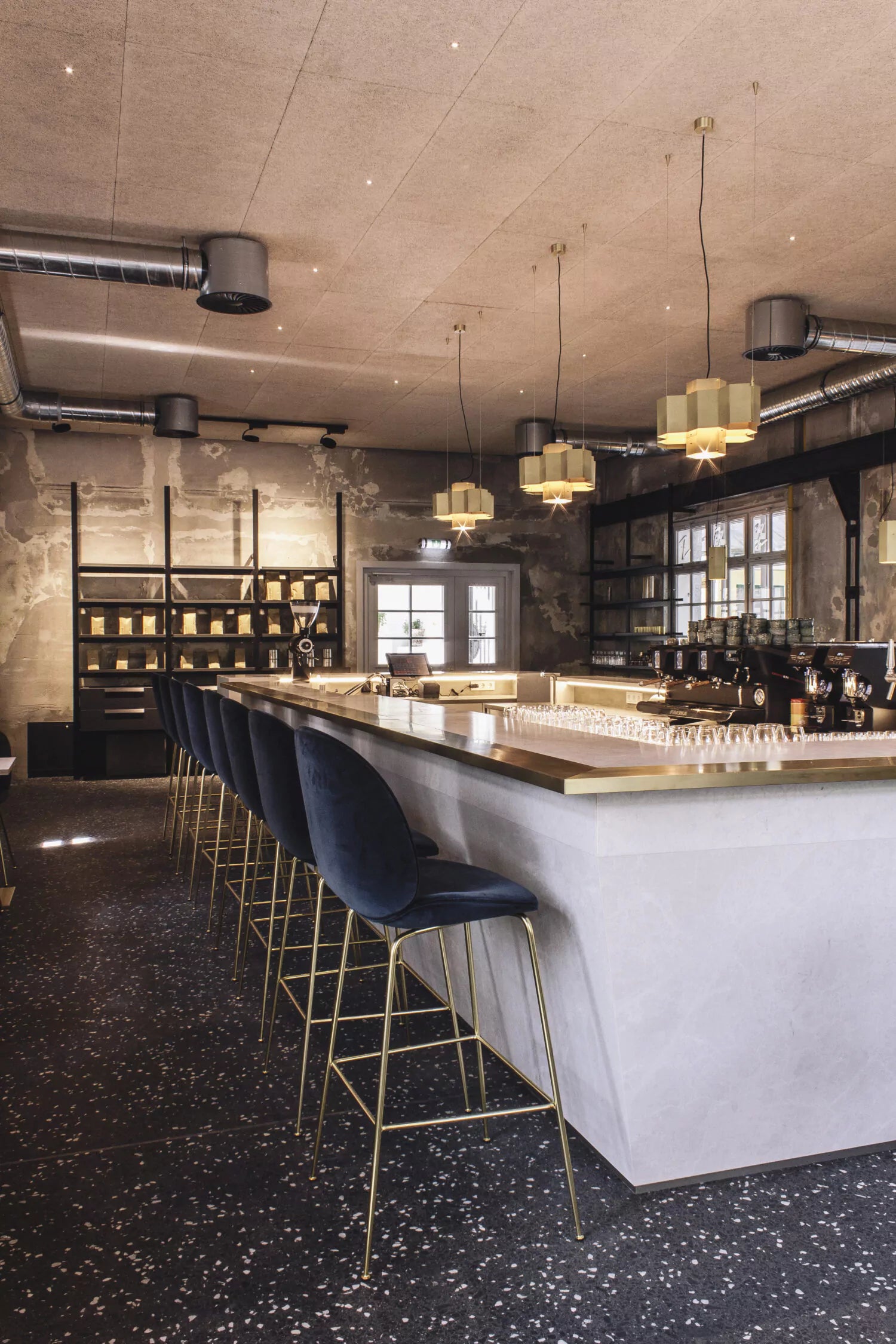
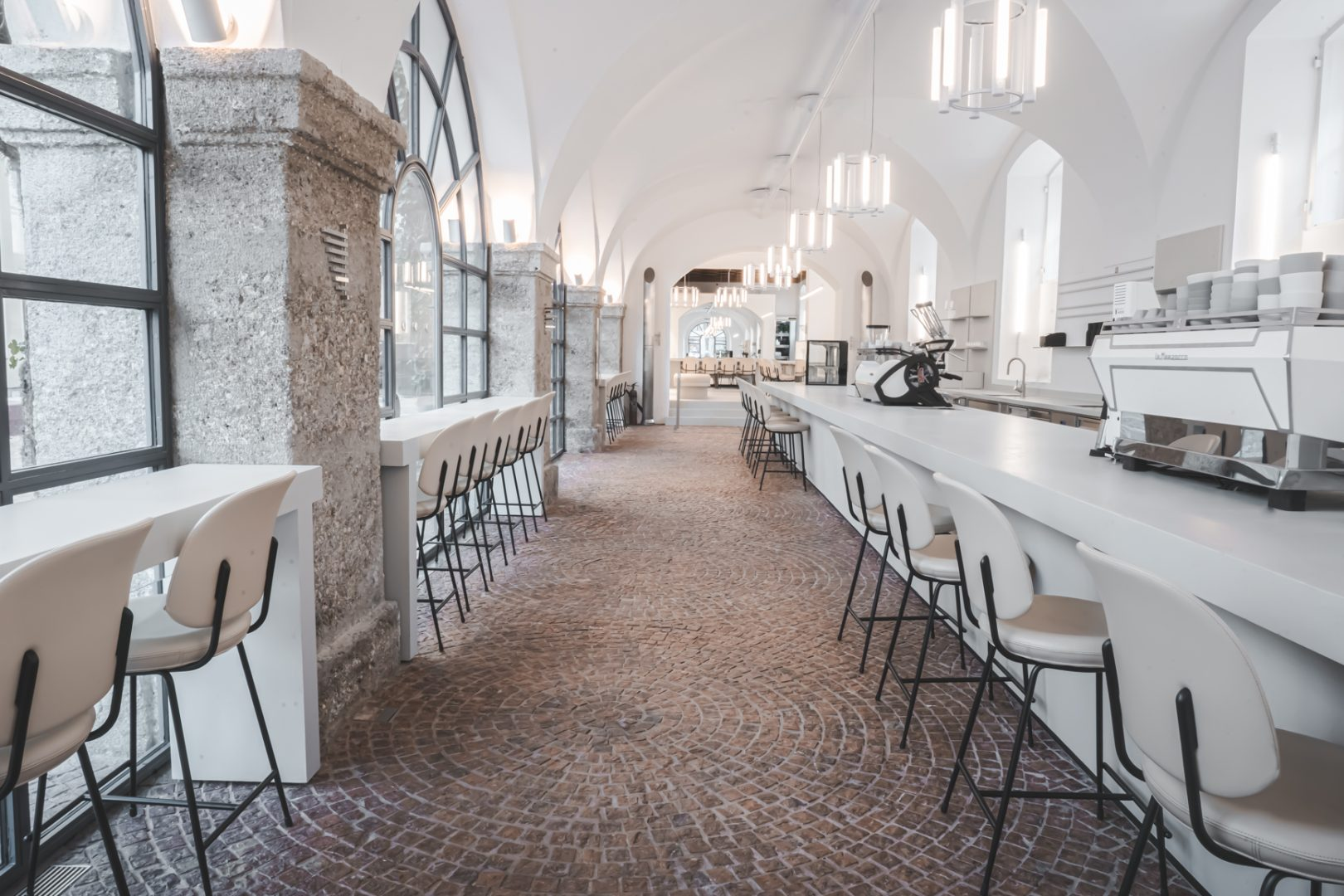
Nonntal, Rupertinum, Roastery & Shop.
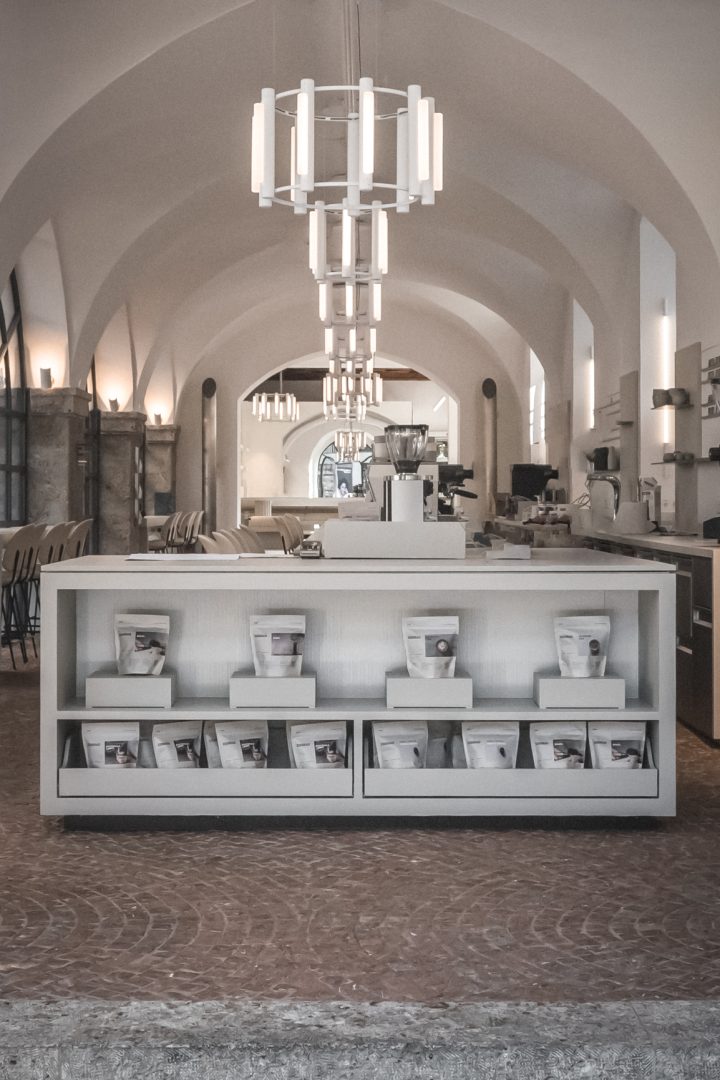
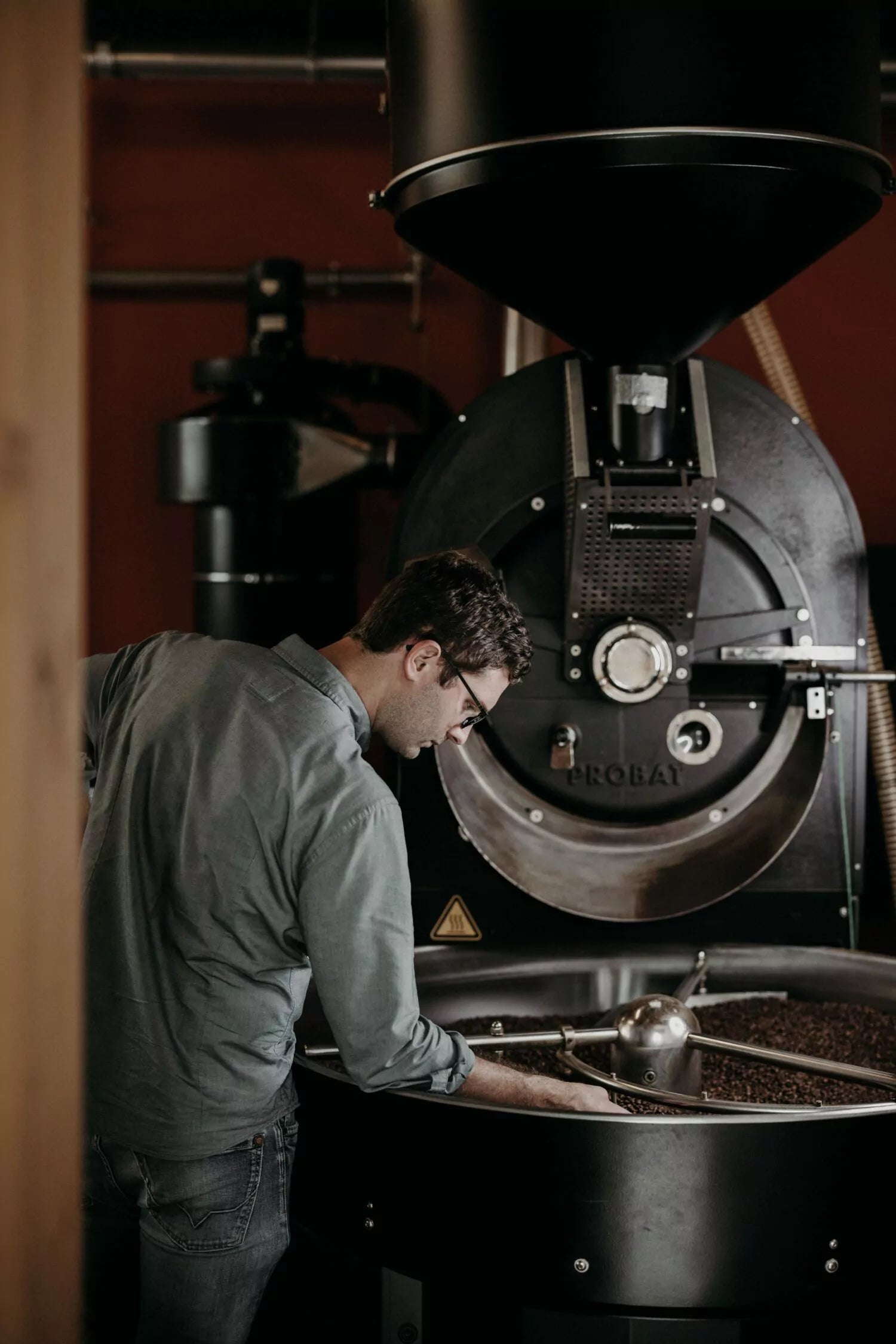
THE SUM OF THE INDIVIDUAL PARTS
Especially in challenging times, the importance of relationships becomes clear. Sustainable networks built on mutual respect are strong and resilient. Ultimately, it is people who are most resilient and on whom we can rely most. This experience has clearly reinforced our understanding that cultivating these relationships is not just a matter of attitude, but the key to economic success. The excellent collaboration with our employees, partners, producers, and others has enabled us to operate at a high level with great flexibility and positivity.
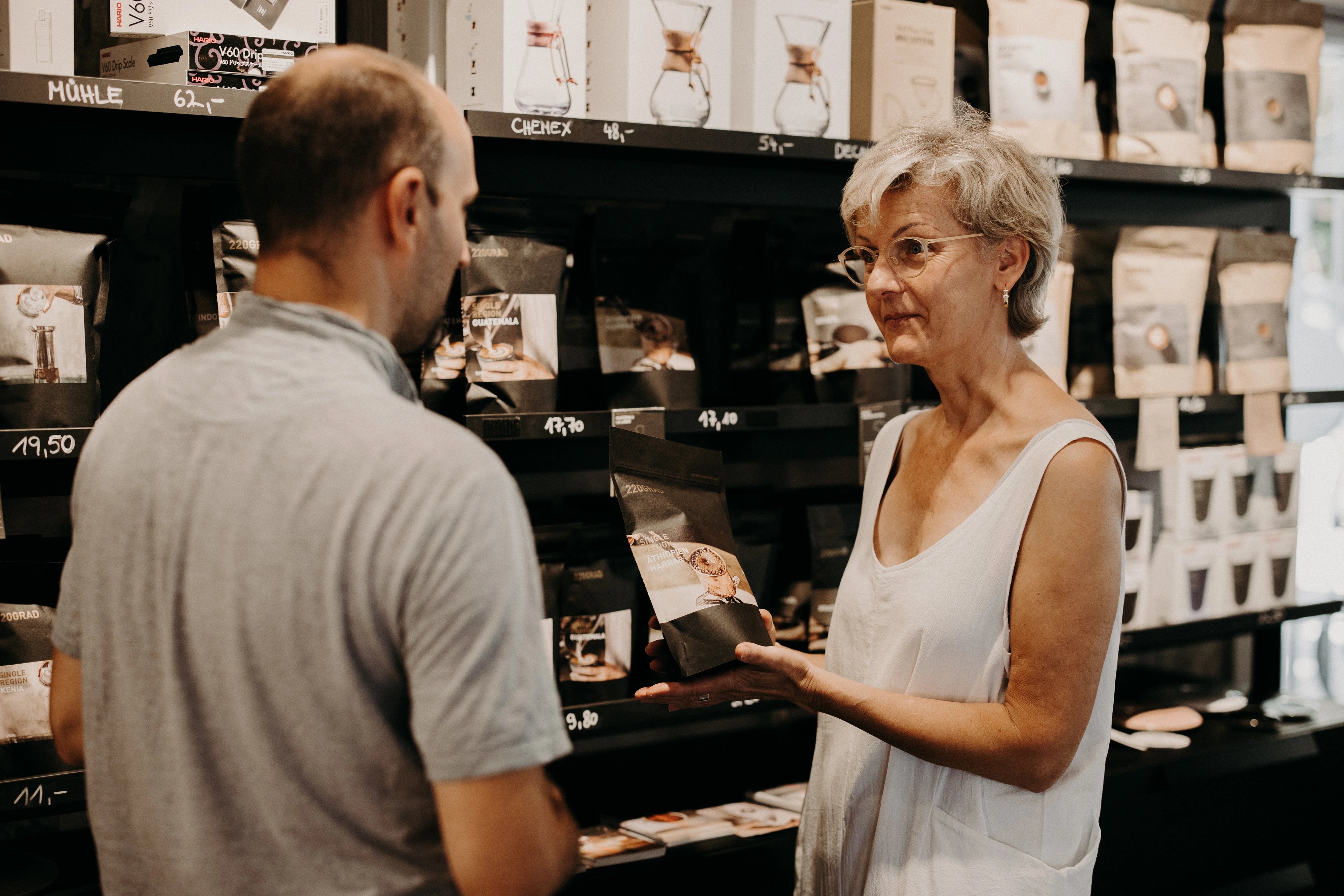
"We embed this wonderful thing, coffee, in an aesthetic world that brings us joy day after day. It shows what we are worth, what we value, and what is precious to us."
Where our coffee begins